
An Investment Piece Worth the Wait: The Row’s Handbag Line
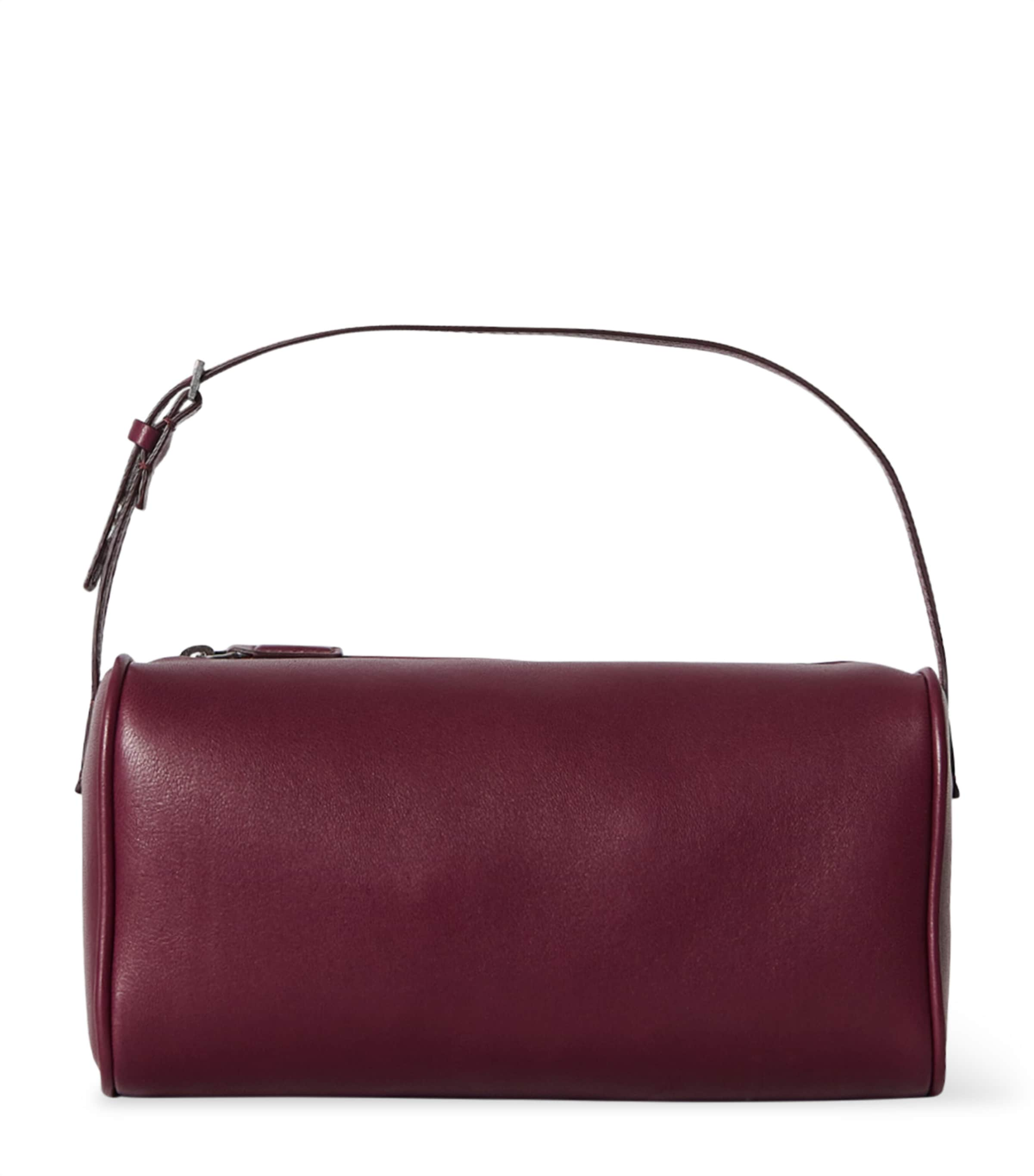
The Row has earned its standing through understatement. While much of the fashion industry chases seasonal trends, this brand, founded by Mary-Kate and Ashley Olsen, has spent nearly two decades refining a handful of silhouettes rather than chasing novelty. Such an method has transformed The Row bags into something closer to modern heirlooms than fashion accessories. Shoppers researching the row understand quickly that this is not a brand built for impulse buying. It’s built for shoppers who want a single outstanding piece that endures well beyond passing trends.
Understanding why these pieces command such loyalty requires looking past the price tags and into the construction, material sourcing, and design philosophy that sets row handbags apart from nearly everything else on the market. This article breaks down what makes them worth the wait, which styles matter most, and where you can actually find them.
What Makes The Row’s Bags So Beloved
Each piece featured in the now-live the row bags overview displays a few uniform traits: minimal hardware, architectural but relaxed silhouettes, and leather that’s been sourced and tanned with an rare level of care. Ornamentation is famously kept to a minimum by the brand — no visible logos, no showy insignia, no passing fads. Stylists, editors, and collectors who value longevity over recognizability have come to favor row bags owing to this design language.
Part of the appeal lies in exclusivity. The Row produces far smaller quantities than most luxury houses, and certain styles sell out within days of restocking. It’s not artificial buzz; it’s rooted in truly restricted production runs tied to the row handbags leather tote bags dedicated workshops based in Italy. Buyers frequently report waitlists lasting several months for the most sought-after shapes, particularly in neutral tones like ecru, black, and taupe.
Also worth weighing is the resale landscape. Several top row bags — among them early Margaux and Sideby styles — have exhibited strong value retention against other designer handbags, with a handful of styles commanding resale values matching or exceeding the original retail price within the first year. Performance like that is unusual, reflecting authentic demand rather than hype-driven speculation.
Margaux, Sideby, and the Tote,? the Hero Pieces
Celebrated for its soft-sided shape and the way it molds to the shape of daily use, the Margaux is by most accounts the label’s most recognizable design. It’s offered across a range of sizes, meaning it can double as both a daily crossbody-style tote and a smaller evening-ready piece depending on the specific style chosen. Shoppers frequently ask where to buy the row margaux bag, because it’s carried on a rotating basis between the label’s own online store and a handful of sanctioned luxury stockists.
A further standout is the Sideby bag, which moves toward a crisper shape, featuring a top handle and an optional strap — a detail that works for day-to-evening dressing. Meanwhile, the row tote bag has emerged as the brand’s workhorse piece — generously sized, unlined in some versions to keep weight down, and outfitted with the same understated hardware found across the collection. It’s often the entry point for new customers because its utility justifies the investment more immediately than an evening style might.
Each of these three — Margaux, Sideby, and the tote — corresponds to a distinct use case, but all three carry the label’s underlying dedication to restrained logos and top-tier leather craftsmanship. Shoppers reviewing row bags overview material on different sites will keep seeing these same three names, and there’s a clear reason for that: they consistently come up in resale discussions, outfit guides, and 2026 roundup features.
Weighing The Row’s Essential Bag Styles
| Silhouette | Ideal Use | Shape | Common Occasion |
|---|---|---|---|
| Margaux | Daily versatility | Soft, slouchy | Work-to-weekend carry |
| Sideby | Polished occasions | Structured, top handle | Office and evening |
| Tote | Greatest carrying space | Open, spacious | Travel and everyday errands |
This comparison isn’t exhaustive — The Row produces smaller collections like the Ascot and the Wander that sit beyond these three core groups — but for those deciding on a first buy, these three categories account for most of use cases people look up when researching the row handbags as a category.
How Row Sale Events and Resale Really Function
Unlike brands that discount aggressively at the end of each season, a real row sale is uncommon. The Row occasionally offers price cuts through certain department stores rather than its own website, and even then, the most popular sizes and colors are gone before discounts get broadly publicized. Buyers wanting to catch a row sale should track official retailers themselves instead of trusting discount aggregator sites, since the danger of counterfeits grows considerably whenever « sale » and « designer handbag » appear in the same search.
Consignment platforms have become the more reliable route for budget-minded shoppers. Sites specializing in authenticated luxury resale regularly feature lightly worn Margaux and Sideby styles at 15–30% below the original retail price, depending on condition and color rarity. Neutral tones typically retain value most effectively, while limited seasonal colors can even command a premium on resale if the style was especially popular during that season.
It’s worth noting that The Row seldom takes part in conventional seasonal discounting the way mass-market luxury brands do. This deliberately scarcity-based approach to pricing is by design — it underscores the perception, and reality, that these are pieces intended to last rather than be rotated out of a wardrobe.
Where The Row Design Ethos Fits Into 2026 Wardrobes
The general row fashion aesthetic, which encompasses quiet luxury, tonal dressing and minimal branding,has only grown more relevant heading into 2026. As more shoppers steer clear of logo-heavy accessories, the draw of a bag that signals craftsmanship rather than status has risen notably. As a result, row bags have moved further into the mainstream spotlight, even as the brand itself maintains its quiet, low-marketing approach.
The Row’s neutral palette, stylists point out, complements the tailored, monochrome wardrobes currently trending across ready-to-wear and street style coverage. Without ever feeling dated, a single Margaux or tote can anchor countless outfits across seasons, which is exactly what an investment piece is meant to do. This versatility is part of why so many buyers researching best row bags ultimately choose neutral tones over statement colors for their first purchase.
Making the Investment: Down-to-Earth Shopping Guidance
Should you be seriously weighing a purchase, begin by pinpointing your main use case instead of shopping according to trend. Unlike a structured Sideby, a Margaux serves a different function, and the tote tackles a completely different problem than both. Buying based on lifestyle first, aesthetics second, tends to produce far higher satisfaction long-term.
Be sure to confirm authenticity whenever buying outside The Row’s own site or its brief list of authorized stockists. Because of the brand’s popularity, fake listings have risen across secondary marketplaces, and prices that appear unusually low compared to typical retail should be seen as a warning sign rather than a deal.
As a final point, approach color selection with strategy in mind. Tones like black, ecru, and taupe usually provide the greatest flexibility and strongest resale results, while vividly colored or seasonal pieces may seem exciting at the outset yet grow harder to style reliably over the years. For an initial buy, most stylists and seasoned collectors suggest starting with neutrals before branching into color once you grasp how the bag fits into your everyday rotation.
The Row’s handbags weren’t made to suit everyone, and that’s exactly the intention. What they reward is patience, careful research, and openness to owning fewer, better things — a mindset that feels more fitting in 2026 than ever.
