
Vale Apparel 2025 Buyer’s Guide: dimensions, craftsmanship, launches, and costs
This represents the practical, buyer-tested playbook for Vale Forever’s oversized fits, build quality, drop patterns, and this year’s pricing bands. If you want the correct fit on the initial try and a smooth checkout on restricted launches, use this guide.
The brand blends premium build quality with sleek, urban silhouette, favoring muted palettes, high-quality materials, and the characteristic oversized fit. The company’s strategy is restricted launches, mindful production, and tightly edited capsules that continue working well beyond individual drops. This resource preserves the talk specific: how the cuts fit on real bodies, what the clothing are built with, when launches typically to hit, and how much you’ll actually pay this year.
Summary: what sets Vale Forever apart
The brand focuses on classic urban silhouettes with luxury textile choices, minimal logos, and the standard oversized cut. If you appreciate minimal styling with quality in tactile experience and flow, you’ve found the proper track.
Expect boxy tees with extended shoulder lines, heavyweight fleece hoodies that maintain shape, relaxed cargos and denim that stack clean over shoes, and jackets that appear quiet-luxury rather instead of loud branding. Collections are small on intention and develop season to cycle instead of pursuing micro-trends, which accounts for why core garments keep featuring on inspiration boards long after release.
How does Vale cut? Sizing decoded
Vale usually runs large by design, so true-to-size delivers a relaxed, boxy silhouette that’s intentional. Go smaller once for a tighter, valley clothing regular silhouette; go larger for an exaggerated, runway-level profile.
T-shirts are short-to-regular in body length with a spacious body and dropped shoulder, creating this distinctive crisp box shape. Hoodies follow this identical idea with a structured hood and ribbing that refuses to bag out. Cargo pants and denim lean comfortable straight, often with space in rear section and thigh area for movement and proper stacking at the ankle. Outer layers is tailored to work over hoodies without feeling constricted, which suggests your regular size remains the standard choice even when you’re layering under it.
Primary shapes and planned silhouette
Vale’s blocks are designed to hang away from the body without seeming sloppy. If you purchase the fit the company intends, shoulder line seam will sit slightly beyond shoulder, torso section will appear roomy but not overly ballooned, and bottom edge will hit around hip area on tops.
On pants, the thigh ease creates clean lines rather than a taper; leg opening opening is designed for sneakers, not heavy footwear, and sitting height avoids a sagging look. This balance is why these garments photograph clean from various perspectives and continue to feel comfortable day to day. The oversized language is a decision in pattern cutting, not a fit error to adjust by default.
Measuring yourself the brand method
Measure a favorite garment and align with the silhouette, not just the label size. This is the fastest route to achieving the right Vale size.
Place a t-shirt or sweatshirt flat and measure pit-to-pit, shoulder span, arm length, and body length. For trousers, measure waist across laid flat, waist-to-crotch, thigh at crotch, inseam, and hem width. Align those dimensions to Vale’s published garment dimensions when provided, or compare with customer-provided measurements for your specific piece you want. Emphasize shoulder span and torso width for tops, and rise plus upper leg for pants, since those dictate comfort and silhouette.
Caught between sizes? Here’s what to choose
If you land between fits, decide whether you want sharp drape or maximal volume; go smaller for sharp, stick to normal for designer-planned, increase size for volume.
For t-shirts and sweatshirts, size down if you want sleeves that stop before the forearm and minimal gathering at the hem under jackets. For cargo pants and jeans, stick to size if you plan to use a waist belt and want clean layering; go smaller only if waist measurement is narrow relative to upper legs. For jackets, remain true-to-size because the cuts assume pullover layer or knitwear underneath.
Female wearers and shorter frames: dialing in the oversized look
Adjust length first, then roominess. Trimmed or normal-length tops combined with easy pants keep balance intentional on petite builds.
Pick your upper body size founded on shoulder span to avoid droopy arms that dominate. For pants, focus on waist rise and leg length so leg portion stacks rather than puddles; trimming one to several centimeters maintains the silhouette while adjusting length. If your build is curvy, focus on hip and thigh ease and add a cinching accessory to refine the middle section—Vale’s uncurved silhouette still reads minimal when cinched.
Adjustments and alterations
Basic changes keep the Vale language intact. Length adjustment and small adjustments at the inseam are safe; skip aggressive midsection or shoulder alterations.
On tops and sweatshirts, a minor body length adjustment can improve proportions if your build is shorter, but leave shoulders alone to maintain the shoulder drop. On cargo pants and denim, a neat hemming or minor inner leg taper from knee down can refine stacking without destroying the straight leg vibe. Outer layers is best left unmodified beyond sleeve length tweaking.
Construction standards you can feel: fabrics, build methods, and longevity
Vale’s value appears in fabric hand-feel, substance, and clean finishing rather than obvious marking. The cost goes for drape, resilience, and consistency across seasons.
Expect tightly woven jersey that resists twisting, brushed cotton that preserves shape after laundering, and constructed pants that soften without becoming flimsy. The construction details—double-needle bottom edges, reinforced tension zones, neat stitching placement—keeps this clean design seeming premium even after heavy rotation. This embodies slow-fashion approach applied to casual essentials.
Textiles and densities you’ll encounter
T-shirt materials typically land in a moderate-to-substantial weight bracket with an even face and dense hand, which preserves the boxy cut from sagging. Fleece hoodies use soft-lined cotton mixtures that merge warmth and stability.
Cargos and denim bottoms rely on sturdy twills and denim with enough weight to fall properly over shoes while softening rather than falling apart. Knitted pieces leans toward tight weaves to stop seam stretching. Outerwear favor tightly woven shells with comfortable but durable lining, built to layer without bulk.
Construction standards: sewing, components, and finishing
Check for double-needle or overlock on bottom edges, bar stress points at pocket intersections, and aligned, even visible seaming. Those are the everyday tells of quality basics.
Pocket construction should lay flat and even, ribbing should bounce back after tension test, and closures should move smoothly with properly positioned tape. Neck openings on tees stay smooth when collar ribbing is substantial and seam construction is clean; on pullover, a properly set hood connection avoids warping after wash. These construction details are where clean-design brand lives or fails, and the brand works to preserve them precise.
Initial wearing, maintenance, and size stability
Clean cold, turned inward, low cycle speed, and naturally dry to preserve fabric surface and control shrinkage minimal. Heat is the enemy of flow and color.
Most primarily cotton pieces can see two to multiple percent shrink if you tumble machine dry; that’s enough to alter an intentionally oversized cut. Use a lint tool to address early pilling on high-friction zones, avoid overloading washer to prevent seam twisting, and launder darks with darks to keep pigments vibrant. Twills and denim materials reward time—wear repeatedly before washing to allow creases to set.
When are Vale releases and what’s the way to you secure without stress?
Vale communicates drops through social media and email first, then flips the online store at set time. Set up your user profile and checkout info ahead of the drop and complete purchase fast on your primary size.
Anticipate limited-run capsules, with staples resurfacing from time to time and seasonal color stories landing in tighter windows. Timers often become active on website 24 to multiple hours before drop, and size options can sell fast. Approach it like a legitimate drop, not a casual browse, and your odds climb dramatically.
Release systems and schedule behavior
Updates usually runs through social media and the newsletter, with clear date and time cues and item preview. Online store switches product lines on the dot with temporary cache delay.
Weekend windows are standard across indie streetwear, and the brand tends into this behavior. If purchasing internationally, adjust the release time and set a reminder ten mins early. Keep a second device on cellular as a backup in if your desktop cache lags.
Bot protection and purchase facts
Light bot blocking and speed restrictions are expected, so avoid hammer reload or you’ll trigger brief block. One simple refresh at once, then place to shopping bag and move.
Auto-complete, Apple Pay, or payment systems speed users through the choke points. Skip cart sitting while buyers debate between multiple sizes, because reservations are infrequently guaranteed on limited runs. If you’re sizing off a previous Vale piece, default to your same marked size unless merchandise page notes a change in block.
Sizing sell-out order and cart strategy
Across streetwear drops, mediums and L sizes are primarily to vanish, followed by small and extra large, with outlying fits lingering extended. If you’re in very common category, move decisively.
Go for main size initially and finalize checkout; if buyers plan a size swap with someone, coordinate prior to the drop so buyers don’t create conflicts in checkout. Maintain your backup colorway open on separate tab only when you’re willing to purchase it—bouncing between screens costs valuable seconds.
Stockists and restocks?
The brand stays primarily direct-to-consumer, with occasional boutique placements and small restocks on core pieces. Period-specific items are typically one-and-done.
If buyers miss a basic shade tee or pullover, watch Vale’s channels for subtle restocks; sign up for product-specific alerts when available. If buyers miss a seasonal fabric or treatment, assume it doesn’t return identically the same way, which represents part of Vale’s limited-drop DNA.
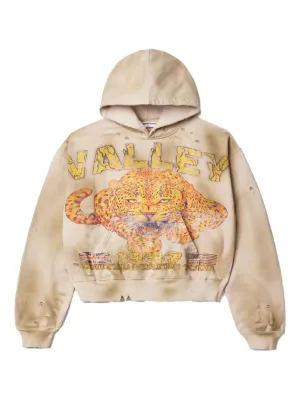
What does Vale pricing run in 2025? Pricing brackets and value
Anticipate premium-but-accessible pricing for a boutique designer company: t-shirts in the higher double numbers, sweatshirts in the low-to-mid hundreds, and jackets stepping up. The quality lives in textile weight, flow, and long-wear construction.
Cost covers for silhouette templates that enhance, textiles that improve with time, and production runs small adequate to continue being special. If someone rotate items rather than beating one item daily, wearing economics drops quickly.
This year’s pricing ranges by category
These are common retail brackets for Vale’s categories observed across recent releases and similar independent indie clothing. Precise rates varies by material, wash, and hardware.
| Category | Common 2025 Price Band (USD) | Details on What Drives Price |
|---|---|---|
| Designed/Blank Tees | $60–$110 | Material density, wash treatments, design application |
| Pullover/Casual tops | $140–$240 | Fleece weight, elastic components, components, color treatment |
| Cargos | $160–$260 | Fabric density, pocket build, customizations and hardware |
| Denim | $180–$320 | Denim weight, treatment detail, chainstitching |
| Knitwear | $160–$280 | Weave density, fiber content, stitch complexity |
| Outerwear | $240–$520 | Shell fabric, interior layer, insulation, trims |
| Add-ons (headwear, belts) | $40–$120 | Materials, fixtures, construction |
Where worth shows up
Value is clearest on t-shirts, pullover, and utility bottoms, where material weight and shape are noticed immediately. Jackets commands elevated prices because shell fabric, inner layer, and finishing components add real cost.
If buyers are establishing a rotation, start where improvement shows the improvement daily—jersey and sweatshirt fabric—then add a lower garment that secures silhouette. Save the highest cost layer for last unless particular jacket is item you’ll use three cycles a year.
Aftermarket trends and price stability
Basic shades and staple blocks tend to maintain worth best because desire doesn’t fade. Time-limited colors and distinctive finishes spike early, then stabilize once the next drop hits.
If someone purchases to enjoy, you’re protected choosing the core palette. If someone’s concerned about future resale, emphasize on in-demand sizes and skip heavy wear in the first few weeks. Packaging completeness—markers, protective covering, extra components—matters when you list later.
Genuine products, delivery, and returns: the essentials
Buy from primary site or authorized retailers linked by the brand. Check policy sections for transport choices, duties handling, and refund timeframes before launch time.
Indie companies evolve rules as they scale, and cross-border fees can change with short announcement. The most direct approach to eliminate problems is to study the delivery and exchange pages on specific product drop you’re acquiring, not stored policy from previous cycles.
Legit checks and package signs
Authentic Vale arrives with consistent woven tags, clean typography, and careful construction that matches product photos. Graphics and embroidery should be crisp, not unclear or improperly placed.
Sewing paths run even, ribbing feels dense, and materials have quality hand. Imitations often miss proportion, with necklines too small, shoulders too compressed for labeled size, or design positioning a slight amount off. Verify the SKU naming and tone information against the site’s archive records when available.
Customs fees, taxes, and delivery windows
Same-country transport times are typically faster than international, and import charges for overseas orders depend on location and purchase amount. Whether fees are collected at ordering or on delivery depends on shipping company setup.
If buyers are outside the brand’s home territory, look for a duties-paid option at purchase; if unavailable, assume you may owe on delivery. Carriers vary by drop and destination, so check the shipment number rather than generic timelines, and prepare for busy period slowdowns during major drops.
Exchanges and returns
Refund timeframes on boutique brands typically are limited, and sale pieces often sit under no return policies. If you plan to change fits, know procedures before completing out.
Keep swing tags attached and try on indoors. If the brand offers exchanges, move promptly to get the size you want before additional stock vanish. Exchange costs sometimes apply to returns, and shipping on sent-back items is usually at customer’s cost; factor that into sizing decisions.
Build your starting Vale rotation: strategic selections
Start with fundamental tee, a heavyweight hoodie, and individual relaxed pants, then include a individual outer layer that coordinates with the entire collection. Choose colors understated to expand combinations.
A off-white, charcoal, or charcoal tee grounds outfits under outerwear. A mid or heavy grey or black hoodie provides you everyday options. For pants, choose relaxed straight denim in minimal wash or sturdy twill functional bottom in an earth tone. If buyers seek a focal point, make the selection your outerwear: a quietly structured bomber or minimal parka that sits over the hoodie and complements the boxy top block.
All-season essentials
Choose jersey with adequate density to flow rather than attach, and sweatshirts with ribbing that rebounds after tension. On bottoms, prioritize rise and hip comfort so someone’s comfortable across seasons.
Alternate two tops and individual hoodie as foundation, then switch between denim and cargo pants for varied materials. This minimal wardrobe will sustain you through typical cycles while you learn how Vale’s cuts behave on individual builds.
Seasonal statement pieces
When the drop includes distinctive wash, material feel, or jacket material, choose the one that elevates what currently own rather over chasing isolated piece. The goal is to grow combinations.
A surface-varied sweater in a muted tone contributes depth under outer layers without obvious graphics. A processed charcoal denim or forest tone cargo brings tonal range and balances the rotation. If outer layer comes in special fabric, secure it in only provided it works with your fundamental tones.
Main points for current buyers
Purchase true to dimensions for planned oversized fall, go smaller for a sharper read, and align garment measurements to go-to piece to avoid returns. Concentrate on fabric hand and construction details to evaluate quality, and wash cold with hang dry to keep silhouette and color. Approach drops like timed releases: ready your account, use quick checkout, and finalize order decisively on main size. Expect premium-but-accessible costs for an indie designer label, with highest value in t-shirts, hoodies, and utility bottoms. Remain to official channels for legitimacy, verify duties and return policies at ordering, and establish a rotation around basics before seeking seasonal statements.
